
Hand wraps are an essential part of any Muay Thai or boxing training routine. They offer crucial protection for your hands, wrists, and knuckles, reducing the risk Mouthguard guide: types, fitting, and comfort tips of injury during intense sessions. Whether you’re hitting pads or sparring with a partner, learning how to wrap your hands properly is key for every beginner.
Choosing the right equipment—such as hand wraps, Muay Thai gloves, and shin guards—can make a big difference in your training experience. Properly wrapped hands allow you to punch with confidence, knowing your joints are supported. This foundational skill will serve you well as you progress to more advanced techniques and gear.
Many beginners struggle with the process of wrapping their hands, often feeling overwhelmed by the variety of methods available. Fortunately, there’s a simple method that provides the protection you need without unnecessary complexity. Mastering a basic wrapping technique is the first step to building safe, effective habits in the gym.
Why Hand Wraps Matter in Muay Thai
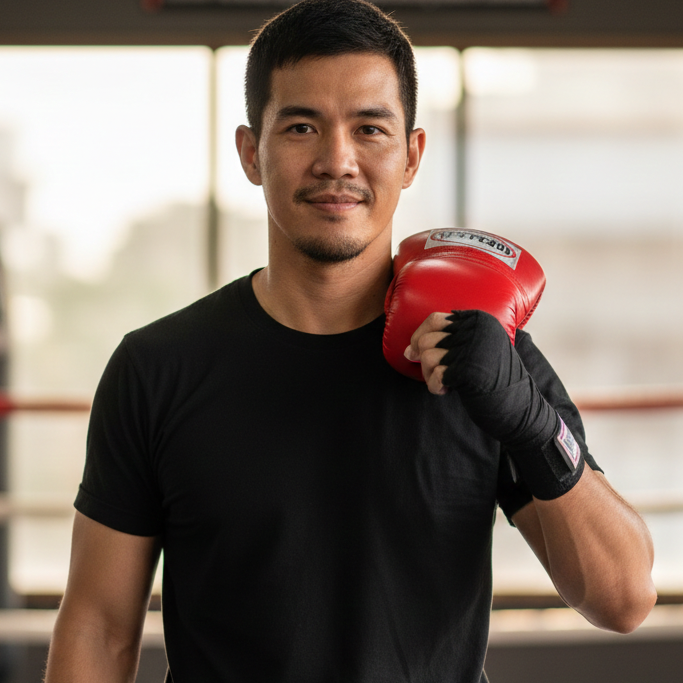
Hand wraps do more than just cushion your knuckles—they stabilize your wrist and compress the small bones in your hand. This helps absorb the shock from punches and prevents serious injuries. For anyone training in Muay Thai, using hand wraps is a non-negotiable part of gearing up.
While Muay Thai gloves also protect your hands, they are not designed to provide the snug support that hand wraps offer. Wearing wraps underneath your How to greet trainers and show respect the right way gloves adds another layer of safety. This combination is especially important during sparring, where accidental wrist bends occur more frequently.
Essential Gear for Beginners
Before you start wrapping, make sure you have all the right gear. Besides hand wraps, you’ll need quality Muay Thai gloves and shin guards for full protection. Sparring gear, such as mouthguards and ankle supports, is also recommended as you progress.
Invest in wraps made from semi-elastic cotton, as they are both comfortable and supportive for beginners. Avoid using short wraps; most adults do best with wraps that are 4–5 meters long. Having the right equipment sets a strong foundation for safe training and faster skill development.
- Semi-elastic hand wraps (4–5 meters)
- Muay Thai gloves (12–16 oz for sparring)
- Shin guards
- Mouthguard
- Ankle supports
Step-by-Step: A Simple Hand Wrap Method
Begin by unrolling your hand wraps and locating the thumb loop. Place the loop over your thumb and hold your hand Common Thai commands in training (and their meanings) open, fingers spread wide. Start by wrapping around your wrist three to four times to provide a stable base.
Next, move up and wrap around your knuckles three times, making sure the fabric sits flat and covers the entire knuckle area. Then, bring the wrap down and make an X across your palm, weaving between each finger. This X-pattern supports the small joints and keeps the wrap from shifting during activity.
After wrapping between the fingers, return to the wrist for additional support, and finish with a firm but not overly tight closure using the Velcro. Check that your fingers can move freely and that circulation is not restricted. The entire process should take less than two minutes with practice.
Tips for a Secure and Comfortable Wrap
Consistency is key—try to apply the same tension throughout the wrap. Too loose, and you lose support; too tight, and you risk cutting off circulation. Adjust as needed for comfort and effectiveness.
Pay special attention to the thumb and knuckles, as these are common sites of injury. If you feel discomfort or numbness, remove the wrap and try again with less pressure. Comfort and security go hand in hand for effective hand protection.
Comparing Wrap Styles and Alternatives
There are various wrapping methods, ranging from basic to advanced, as well as quick-wrap alternatives. While gel wraps or slip-on wraps offer convenience, they generally lack the custom fit and support of traditional hand wraps. For most beginners, a simple traditional wrap is the best place to start.
As you gain experience, you may experiment with different styles, but the foundational method will always serve you well. Practice wrapping until it becomes second nature before considering advanced techniques. Reliable hand protection should always be your top priority, regardless of style.
Building Good Habits for Long-Term Safety
Consistently wrapping your hands before training ensures that you protect yourself in every session. Over time, this small act will help prevent chronic injuries and preserve your ability to train at your best. Proper hand care is a sign of respect for your body and your training partners.
Remember, high-quality gloves and shin guards complement your wraps but are not replacements. Safe habits developed as a beginner will pay dividends as Learn more your striking power and training intensity increase. Make hand wrapping a non-negotiable part of your routine for long-lasting success in Muay Thai.
Leave a Reply